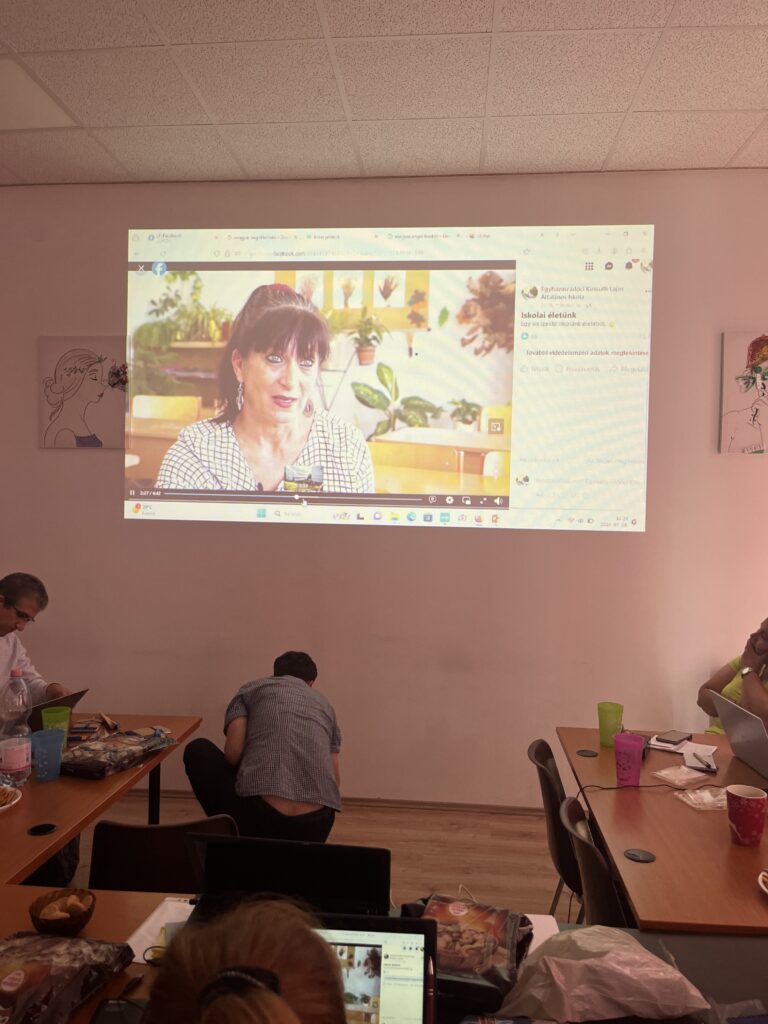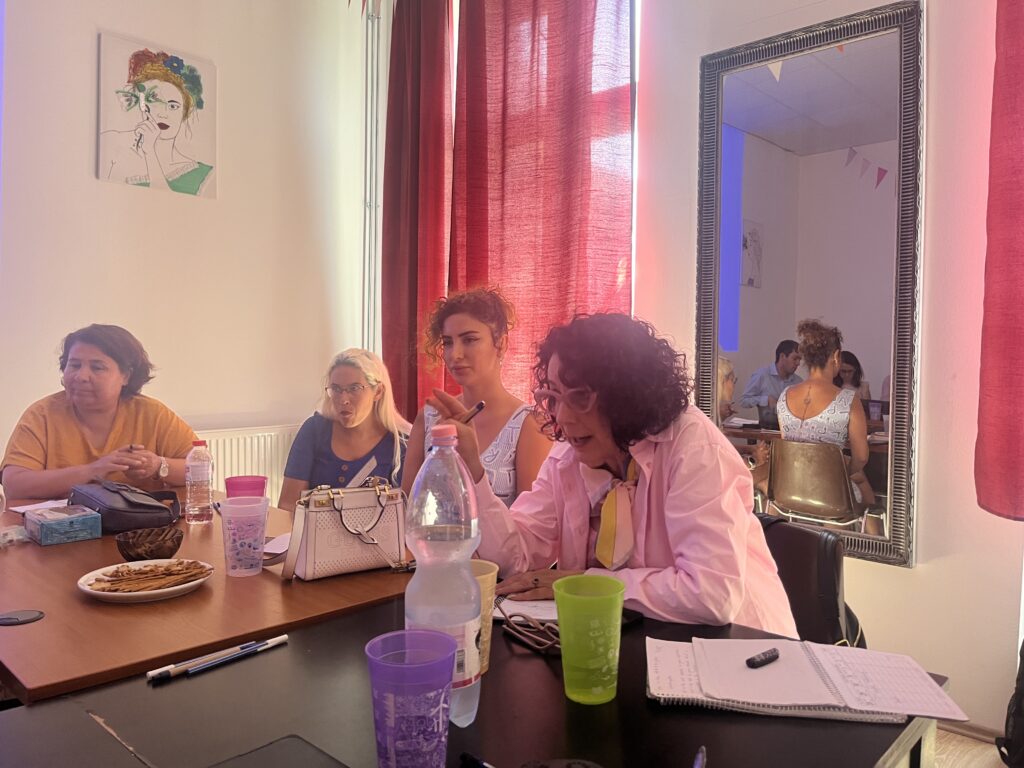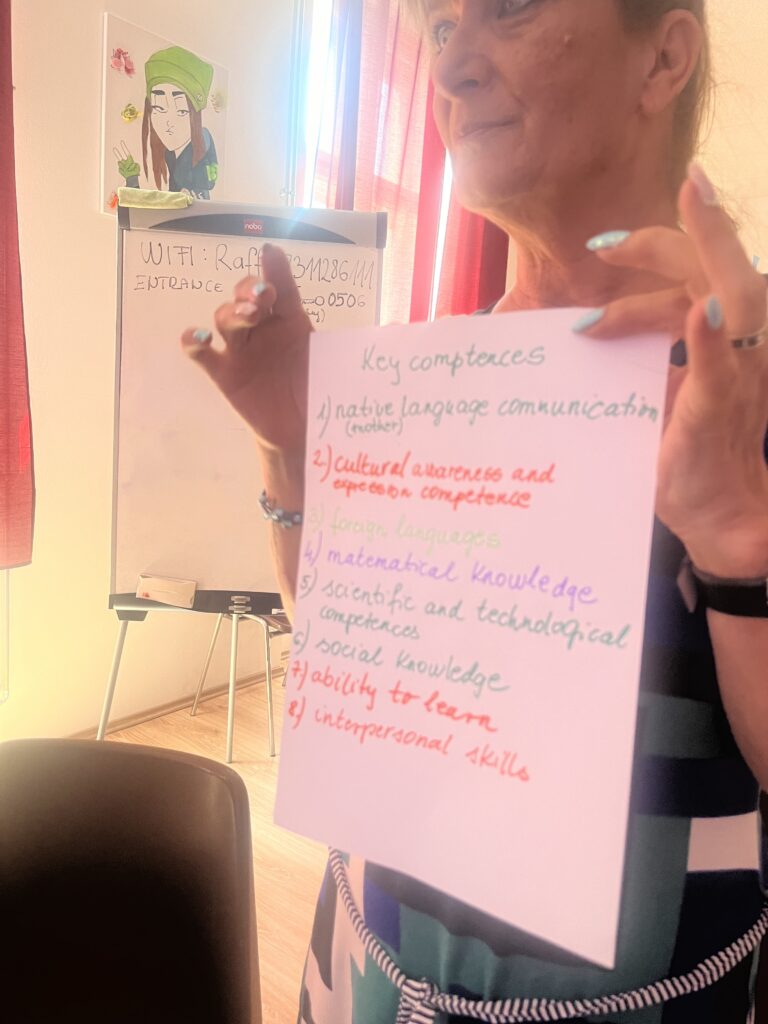
In July 2024, the first learning and training mobility of the Erasmus+ project “Get Away from the Screens, Be With Nature” took place in Nagykanizsa, organized by the Kaán Károly Environmental Association. The aim of the programme was to help teachers and professionals understand the effects of excessive screen use and to learn practical methods that encourage children to engage in nature-based play and exploration.
Focus on Screen Use – First-Hand Insights
One of the unique elements of the mobility was the invitation of a local primary school student, who spoke honestly and openly about why children of his age spend so much time in front of screens. According to his experience, the most common reasons include:
- the social nature of online games,
- the constant feeling of needing to be connected,
- reward mechanisms and rapid feedback loops,
- and the “digital babysitter” phenomenon, often caused by busy parents.
This first-hand perspective proved extremely valuable for the participants, complementing the professional presentations with real-life insights from a child’s point of view.
Professional Presentations and Interactive Workshops
Throughout the mobility, teachers engaged with a wide range of topics, including:
- the psychological and physiological background of screen addiction,
(presentations and group discussions – 1st LTTA agenda_final, best practices), - nature pedagogy methods and outdoor learning,
including forest exploration games, creative environmental activities, and eco-art projects (best practices), - strengthening children’s connection to nature, through age-appropriate pedagogical approaches (effective-approaches-to-connect…),
- European identity, sustainability, and green practices,
- experiential and discovery-based learning, providing children with active roles and motivation throughout the learning process.
The presentations and practical demonstrations highlighted the importance of free play, exploration, shared experiences, and time spent outdoors for children’s healthy development (effective-approaches-to-connect…).
Group Work and Game Development
One of the most productive components of the mobility was the collaborative work carried out in international teacher groups. Participants worked in small teams to:
- create their own nature-based educational games,
- design outdoor learning activities,
- develop tasks that can immediately reduce screen time and increase children’s interest in the natural world.
The co-creation process was not only creative but also a strong community-building experience—teachers discovered how inspiring it can be to share ideas and design new activities together with colleagues from various countries.
Summary and Evaluation
At the end of the mobility, participants jointly evaluated:
- the presentations,
- the practical activities,
- the game development process,
- and the pedagogical value of including students.
Based on the feedback received, the mobility significantly contributed to helping teachers bring home practical tools and innovative ideas to reduce students’ screen use and to strengthen their positive connection with nature.
Presentations of the mobility here:
Evaluation report here